

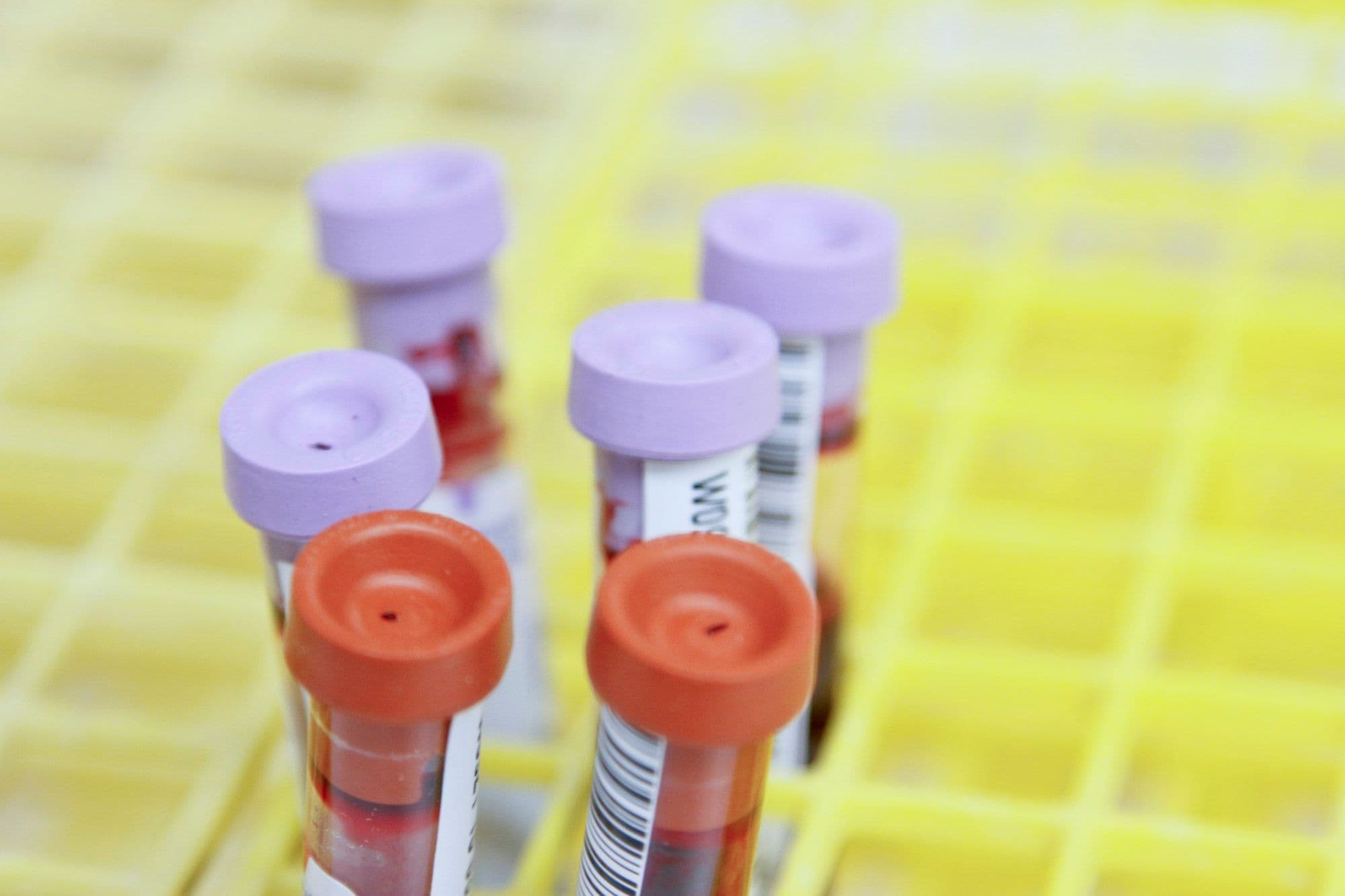
Your liver processes every nutrient you absorb, every toxin you encounter, every medication you take, and every hormone your body produces. It synthesises proteins, stores glycogen, produces bile for fat digestion, clears ammonia, conjugates bilirubin, and metabolises alcohol. It performs more than 500 distinct functions. And the standard report for its blood test typically reads: "Liver function: normal."
That summary obscures a set of markers that, read individually and in context, tell a detailed story about metabolic processing capacity, gut health, inflammation, and nutritional status. Most people who receive a liver panel never hear what each marker actually means. This is what they mean.
ALT: the liver-specific enzyme
Alanine aminotransferase (ALT) is found predominantly in liver cells. When liver cells are damaged or inflamed, ALT leaks into the bloodstream. Of all the liver enzymes, ALT is the most specific to the liver itself.
Standard reference ranges typically set the upper limit around 40 to 55 U/L. Research published in multiple gastroenterology journals has argued that the upper limit should be lower, closer to 30 U/L for men and 19 U/L for women, because the original reference populations included individuals with undiagnosed fatty liver disease.
An ALT of 45 in someone who doesn't drink heavily is technically "normal." But it may indicate non-alcoholic fatty liver disease (NAFLD), which affects an estimated 25% of the global adult population and is closely linked to insulin resistance and metabolic dysfunction. Mildly elevated ALT is often the earliest blood-based signal of metabolic liver stress, appearing years before imaging reveals structural changes.
What to look for: ALT consistently above 30 (men) or 20 (women) deserves attention even if the laboratory report marks it normal. ALT that rises alongside fasting insulin or HOMA-IR suggests metabolic-driven liver stress. Isolated ALT elevation in someone with an otherwise clean metabolic panel may point to medication effects, supplement interactions, or gut-driven liver burden.
Ready to do something about it? Learn more
AST: liver and beyond
Aspartate aminotransferase (AST) is present in liver cells but also in heart, muscle, kidney, and brain tissue. This makes it less liver-specific than ALT but more broadly informative.
The AST:ALT ratio has clinical meaning. In healthy liver tissue, ALT is typically higher than AST (ratio below 1). When the ratio inverts (AST exceeds ALT), it can indicate more advanced liver damage, alcoholic liver disease, or significant muscle breakdown. A mildly elevated AST with normal ALT in someone who trains intensely may reflect exercise-induced muscle damage rather than liver pathology. Context matters.
When AST is elevated in someone who trains intensely, the clinical question is whether the source is liver or muscle. If the elevation appears alongside normal ALT, muscle origin is more likely. If both AST and ALT are elevated, the liver is the more probable source. Clinical context, including training history and timing of the blood draw relative to exercise, helps your doctor distinguish between the two.
GGT: the sensitive early warning
Gamma-glutamyl transferase (GGT) is the most sensitive liver enzyme for detecting biliary obstruction and alcohol-related liver damage. But its clinical utility extends well beyond alcohol screening.
GGT is an oxidative stress marker. Elevated GGT, even within the upper portion of the standard reference range, has been independently associated with cardiovascular disease, type 2 diabetes, and metabolic syndrome in multiple large-cohort studies. A 2005 analysis in the British Medical Journal, drawing from a cohort of over 160,000 adults, found that GGT in the upper-normal range predicted cardiovascular mortality independently of traditional risk factors.
GGT also responds to medications and supplements that increase hepatic workload. Paracetamol, statins, certain antifungals, and high-dose vitamin A can all elevate GGT. In someone taking multiple supplements without clinical guidance, a rising GGT may be the first signal that the liver is processing more than it comfortably handles.
For VitalYOU's audience, GGT serves a specific clinical function. It catches the early metabolic liver stress that ALT may not yet reflect, and it identifies supplement or medication burden before it produces symptoms. The person taking seven supplements, a statin, and regular paracetamol may have GGT as the first marker that flags a processing problem.
ALP: the bone and liver crossover
Alkaline phosphatase (ALP) is present in both the liver (biliary system) and bone. In adults, mild ALP elevation is common and often benign. Significant elevation can indicate biliary obstruction, bone disorders, or vitamin D deficiency (which stimulates bone ALP production).
Interpreting ALP requires context. Elevated ALP with normal GGT and normal bilirubin usually points to bone rather than liver. Elevated ALP with elevated GGT points to the biliary system. This is why liver enzymes are most useful as a panel, not as individual numbers. Each marker narrows the interpretation of the others.
Bilirubin: the breakdown product
Bilirubin is produced when haemoglobin from old red blood cells is broken down. The liver conjugates it for excretion. Elevated bilirubin can indicate liver dysfunction, biliary obstruction, or increased red blood cell breakdown (haemolysis).
Mildly elevated unconjugated bilirubin in an otherwise healthy person with normal liver enzymes is most commonly Gilbert's syndrome, a benign genetic variant affecting approximately 5 to 10% of the population. It requires no treatment. Knowing you have it prevents unnecessary investigation every time bilirubin flags on a future blood test.
There's also emerging research on bilirubin as an antioxidant. Mildly elevated bilirubin has been associated with reduced cardiovascular risk in several epidemiological studies, possibly because bilirubin scavenges reactive oxygen species. The clinical significance is still debated, but it's a reminder that "elevated" on a laboratory report doesn't automatically mean "problem."
Albumin and total protein: the synthetic function markers
Albumin is produced exclusively by the liver. It's the most abundant protein in blood plasma and serves as a marker of both liver synthetic capacity and nutritional status.
Low albumin in someone with adequate protein intake suggests one of two things: the liver isn't producing enough (reduced synthetic function), or protein is being lost somewhere (kidney disease, gut protein loss, or chronic inflammation consuming albumin). In VitalYOU's panel, albumin alongside total protein and globulin provides a picture of whether the liver's manufacturing capacity matches the body's protein demands.
Total protein minus albumin gives you globulin, which represents immunoglobulins and other proteins. A high globulin with normal albumin can indicate chronic immune activation. A low albumin with normal globulin can indicate liver synthetic decline or malnutrition. The ratio between the two narrows the clinical interpretation.
Globulin: the hidden immune signal
Globulin is the fraction of total protein that isn't albumin. It includes immunoglobulins (antibodies), complement proteins, and acute phase reactants. Most people never hear about their globulin result because it sits in the shadow of the more prominent liver enzymes.
Elevated globulin can indicate chronic immune activation, autoimmune activity, or chronic infection. In the context of VitalYOU's six-system model, elevated globulin alongside gut symptoms and borderline inflammatory markers (hs-CRP in the 1 to 3 range) may point to gut-driven immune activation. It's a subtle signal, but it adds to the clinical picture when read alongside the full panel.
How VitalYOU reads the liver panel
VitalYOU's assessment includes the full liver function panel: ALT, AST, GGT, ALP, bilirubin, albumin, total protein, and globulin. These are listed under both the metabolic system (because the liver processes metabolic substrates) and the gut system (because the liver processes everything the gut absorbs).
The clinical value comes from reading these markers as a set and in context with the broader panel. ALT alongside fasting insulin and HOMA-IR reveals whether metabolic dysfunction is stressing the liver. GGT alongside a supplement inventory reveals whether the liver is processing more than it should. Albumin alongside inflammatory markers reveals whether chronic immune activation is consuming protein resources. The liver panel alongside gut-specific questionnaire data reveals whether the gut is overloading the liver.
A "normal" liver panel on a standard report tells you the liver isn't failing. It doesn't tell you whether the liver is working efficiently, whether early metabolic stress is developing, or whether the markers carry information about systems beyond the liver itself.
Your liver is the most metabolically active organ in your body. The panel that measures it deserves more than a one-word summary.
Filed under
Disclosure
*A note from the VitalYOU clinical team: We believe in optimising your biology for peak vitality and in providing precision medicine tailored just for you. However, this article is for informational purposes and isn't a substitute for professional medical advice. Brain fog is usually a compound metabolic problem, but it's still important to rule out serious neurological conditions. If you are experiencing rapid or severe cognitive changes, please consult your GP.*
Sources
- Prati D et al., *Annals of Internal Medicine*, 2002 (revised ALT upper limits)
- Lee TH et al., *BMJ*, 2005 (GGT and cardiovascular mortality)
- Bosma PJ et al., *NEJM*, 1995 (Gilbert's syndrome prevalence)
- Kunutsor SK et al., *Atherosclerosis*, 2015 (bilirubin and cardiovascular risk)